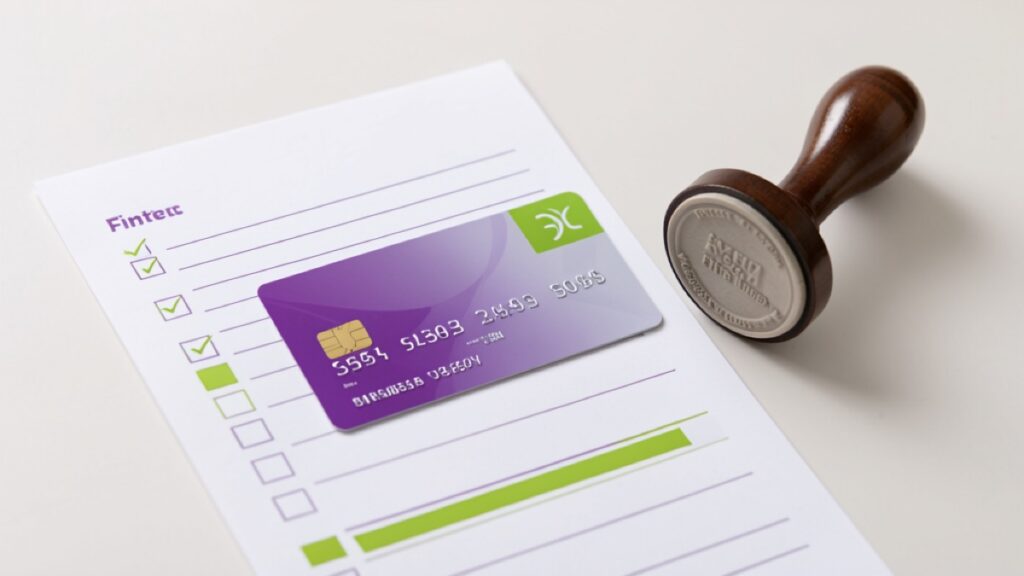
Card prequalification can help show whether an issuer may consider you for a product, but it is not the same as a final approval or guaranteed credit limit. The initial assessment may use limited information and remain subject to further checks. Understanding that distinction helps you compare offers without treating a marketing invitation as a confirmed borrowing arrangement.
Read what the initial check actually promises
Read the provider’s explanation of the check and whether it involves a soft or hard credit inquiry. Terminology is not always used consistently across markets or products, so do not rely on the label alone. Check what information you are authorizing the provider to access and whether moving to a full application changes the inquiry type or adds further verification requirements.
Review the proposed product before submitting an application. The relevant questions include the fees, interest terms, eligibility criteria, and how the card would serve your actual needs. A high likelihood of approval does not make an expensive or unnecessary account a good choice. Avoid applying simply because an offer appears personalized or uses reassuring language about your chances.
Apply only when the product fits your needs
Provide accurate income, identity, and other requested information. Final terms may depend on verification and the issuer’s current criteria. An offered range of rates or limits does not mean you will receive the most favorable figure shown. Read the final disclosure carefully and understand what happens if the approved account differs from the product you expected when you began the process.
Keep track of applications rather than responding to several offers impulsively. Credit inquiries and new accounts can affect a credit file, though the result depends on the scoring model and circumstances. If an application is declined, review the explanation provided under applicable rules before trying again. Repeated applications without addressing a clear issue can add activity without improving your chances of obtaining suitable credit.
Make the next step concrete with a short credit decision record. For a prequalification offer, collect the provider’s explanation of the inquiry and preliminary conditions. Compare the advertised product with the fees and terms you genuinely need, using the same dates and amounts wherever possible. Keep a copy of the relevant disclosure or statement so the decision can be checked against what the provider actually says. Pay particular attention to mistaking an invitation for a guaranteed approval or limit. If a promise cannot be verified in writing, leave it out of your calculation. Your immediate action can be to read the full-application disclosure before authorizing the next check. Record the response and a sensible follow-up date. This small paper trail is useful when terms change, an application is reviewed, or you need to explain a discrepancy without relying on memory.
Use prequalification as preliminary information. A careful product comparison and an accurate application remain necessary, and the final decision belongs to the issuer under the terms it actually offers.